

This might be the coolest place I’ve ever slept: a treehouse 40m off the ground in the middle of the Laos mountains!
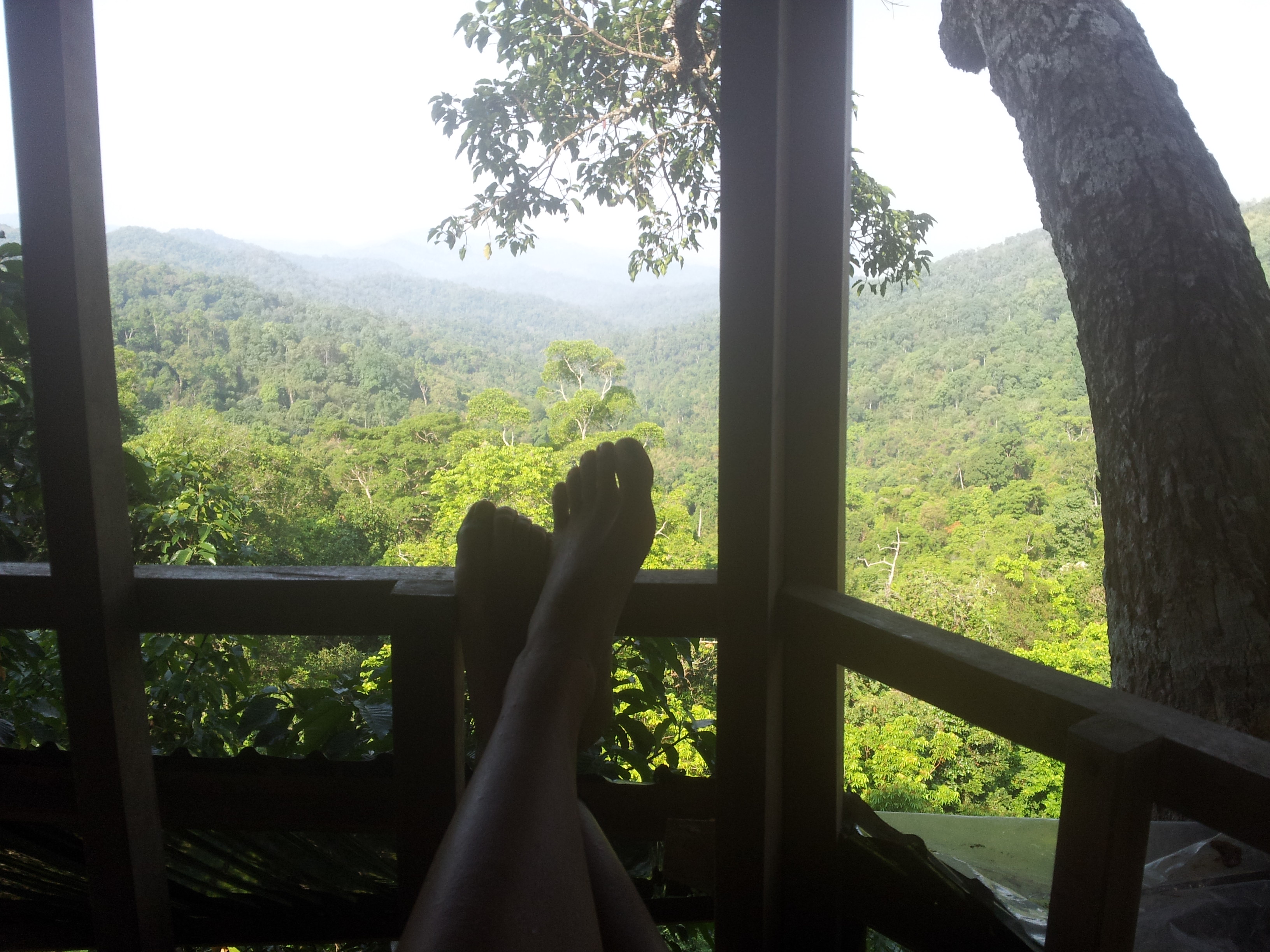
The Gibbon Experience is a conservation project established in 2010. It built an extensive network of zip lines and tree houses in the Bokeo Nature Reserve in northern Laos. Money earned through tourism here goes toward protecting the forest and its resident gibbons.
The first thing I learn about zip lining is that you must first climb up to be able to fly down. Funny how that works. After being driven from town into the forest and meeting up with our guide, we spend the first morning on a 2-hour uphill trek. Most people opted for the longer 3-day, 2-night package, so our group is an intimate party of two: me and a Kiwi from Auckland. Our actual group is much larger though — we’re accompanied by two local guides, a chef, a woman carrying food, and a few other staff that inconspicuously travel just ahead of us so that everything is miraculously arranged and ready upon our arrival. This must be how the queen lives.
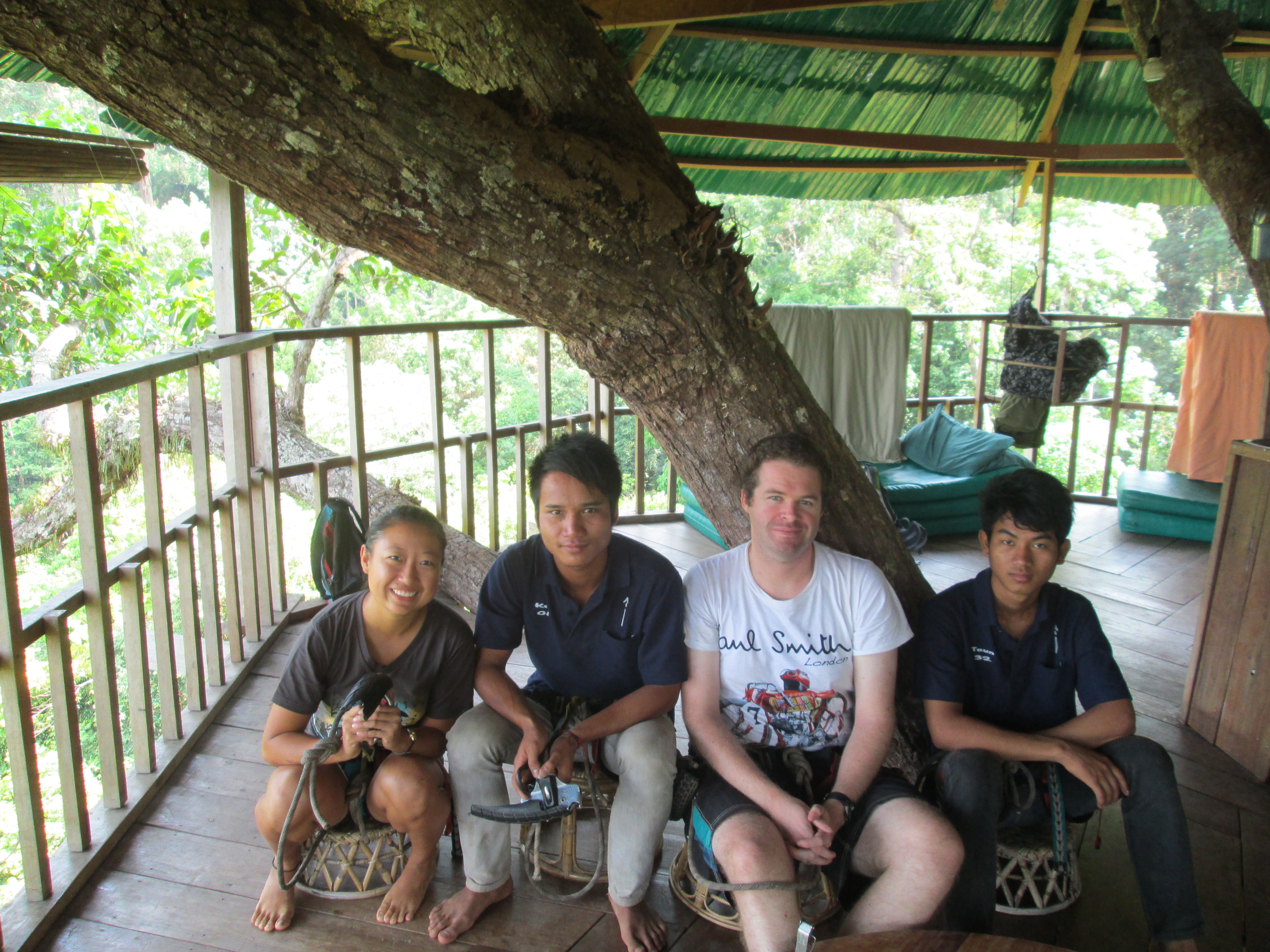
Two guides and two queens
The zip lines set up through the forest are impressive. The longest lines are 600-700m long and some parts must be at least 40-50m off the ground. Here are the “safety instructions” we receive to fly on the zip lines:
1. A 5-minute safety video shown at the Gibbon Experience office before heading into the forest.
2. A 30-second demonstration by our local guide upon arriving at the first zip line.
Got it? Great. The guide zips off down the line, leaving the Kiwi and I staring at each other, hoping to god that we correctly understood and remembered everything he just said. The remaining guide, who doesn’t speak English, watches as I hesitantly clip onto the line and then nods that I’m good to go. His confirmation is far from reassuring — I’ve learned long ago that the locals will always nod and answer yes, even if they don’t understand a word you just said.
Even by SE Asia standards, the safety precautions here are iffy. Stepping off the ledge of the first zip line, I’m 95% sure I’ll make it to the other side alive. But then again, this is also what makes SE Asia really freaking great. After taking us through all the zip lines to get to our digs for the night, the guides leave us entirely on our own. We have free reign to zip around as much as our hearts and dangling feet desire. There are no helmets, maps, or “do not be stupid” signs — only a couple post-hike beers and a reminder to be back for dinner. If we get lost, slam into a tree, or plummet to our deaths, that’s entirely on us.

Our trusty harness
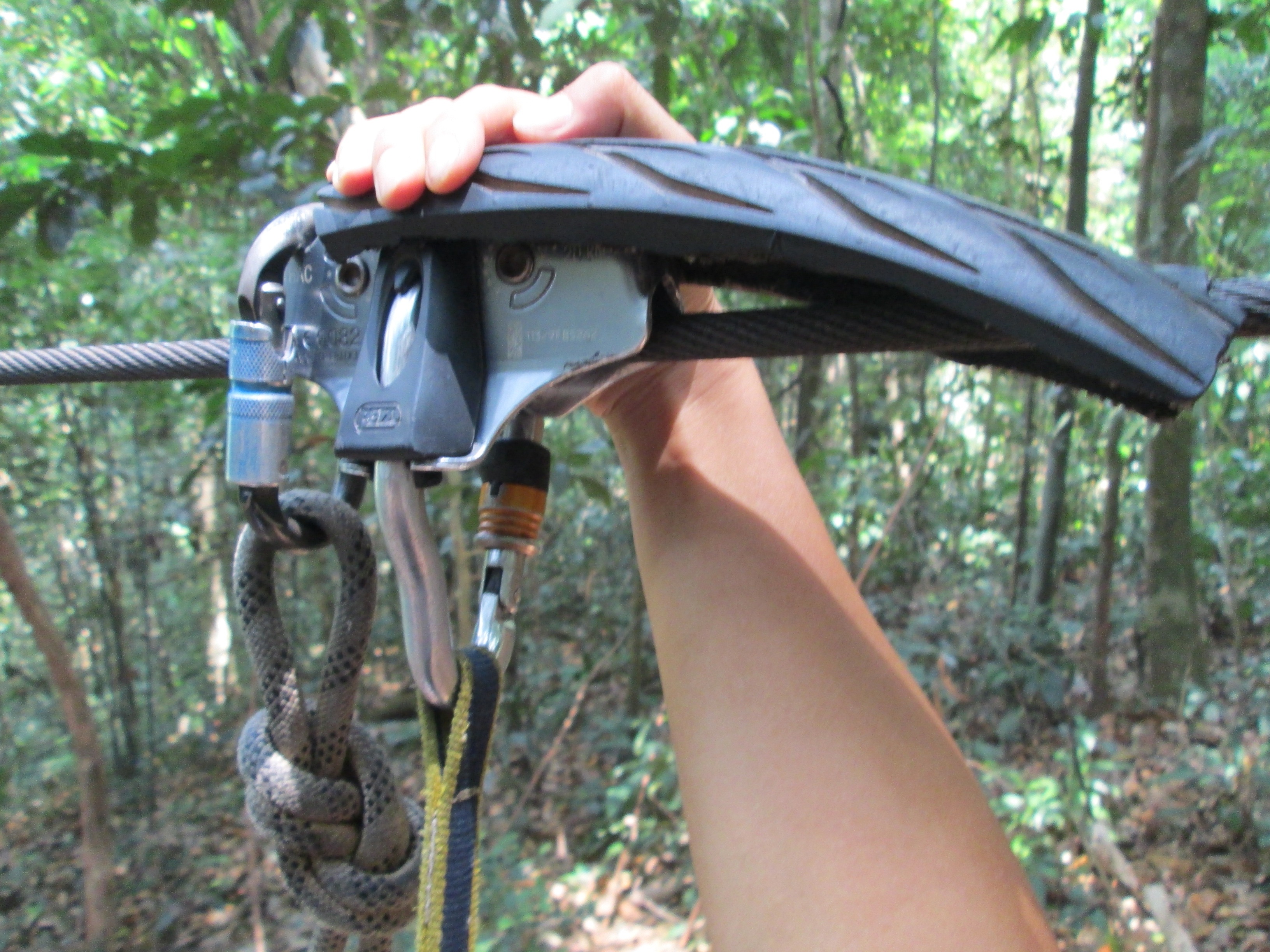
Don’t get me wrong — the whole experience is incredible. The zip lines are easy to get the hang of after a couple turns, and the views from above are stunning. Here’s a video of one (apologies for my poor camera skills).
After a full day of playing Tarzan, we get to spend the night in a tree house. The house is 40m off the ground and the only way in or out is through zip line, as so:
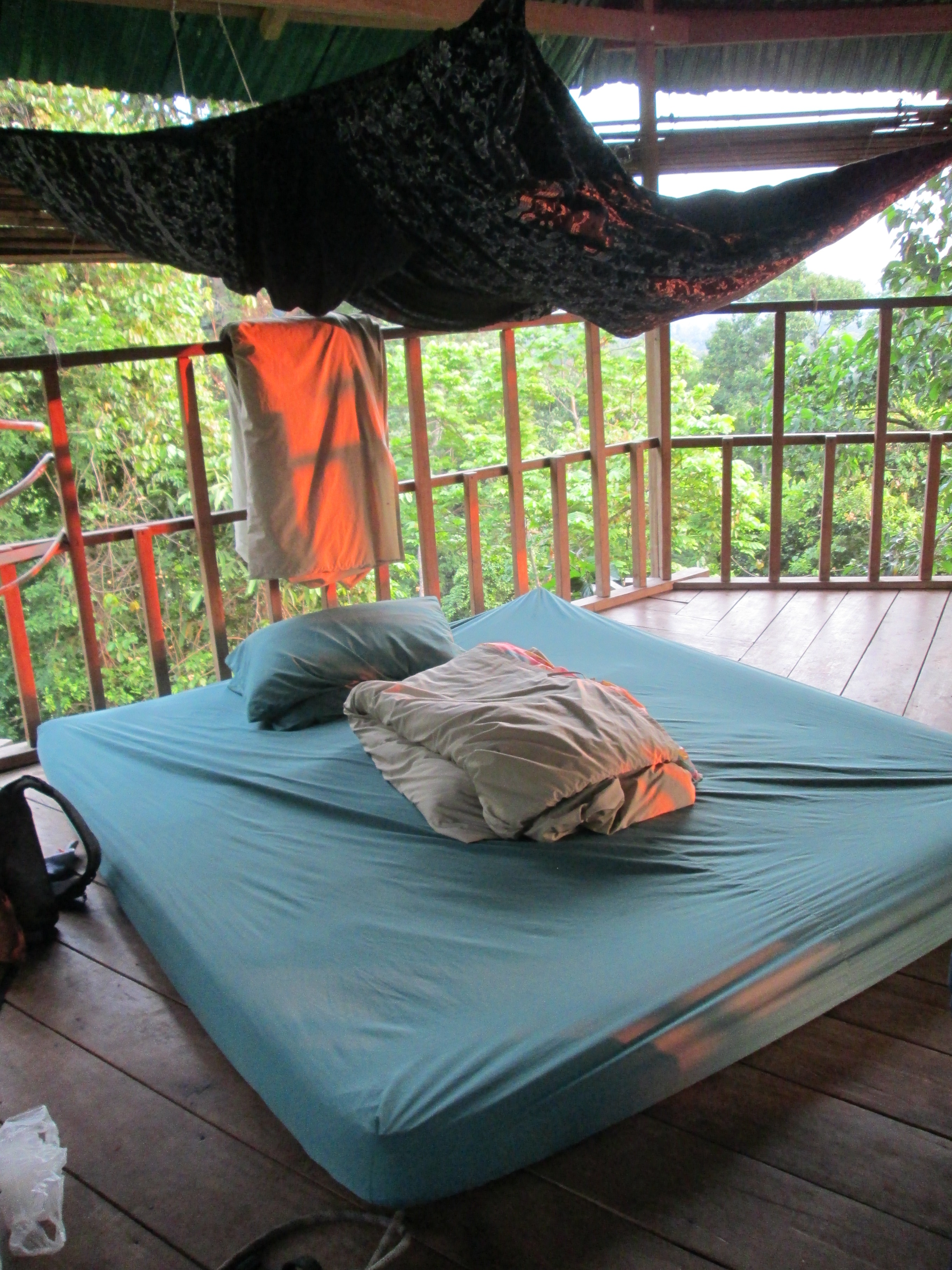
The guides set us up with really comfortable sleeping mattresses and nets to keep out mosquitoes, rats, etc. We eat dinner overlooking the sunset over the mountains. After dark, we sit for a long time just listening to the sounds. We hear gibbon calls in the distance and a lot of rustling closer by below the tree house that we imagine is a bear.

Our house in the sky
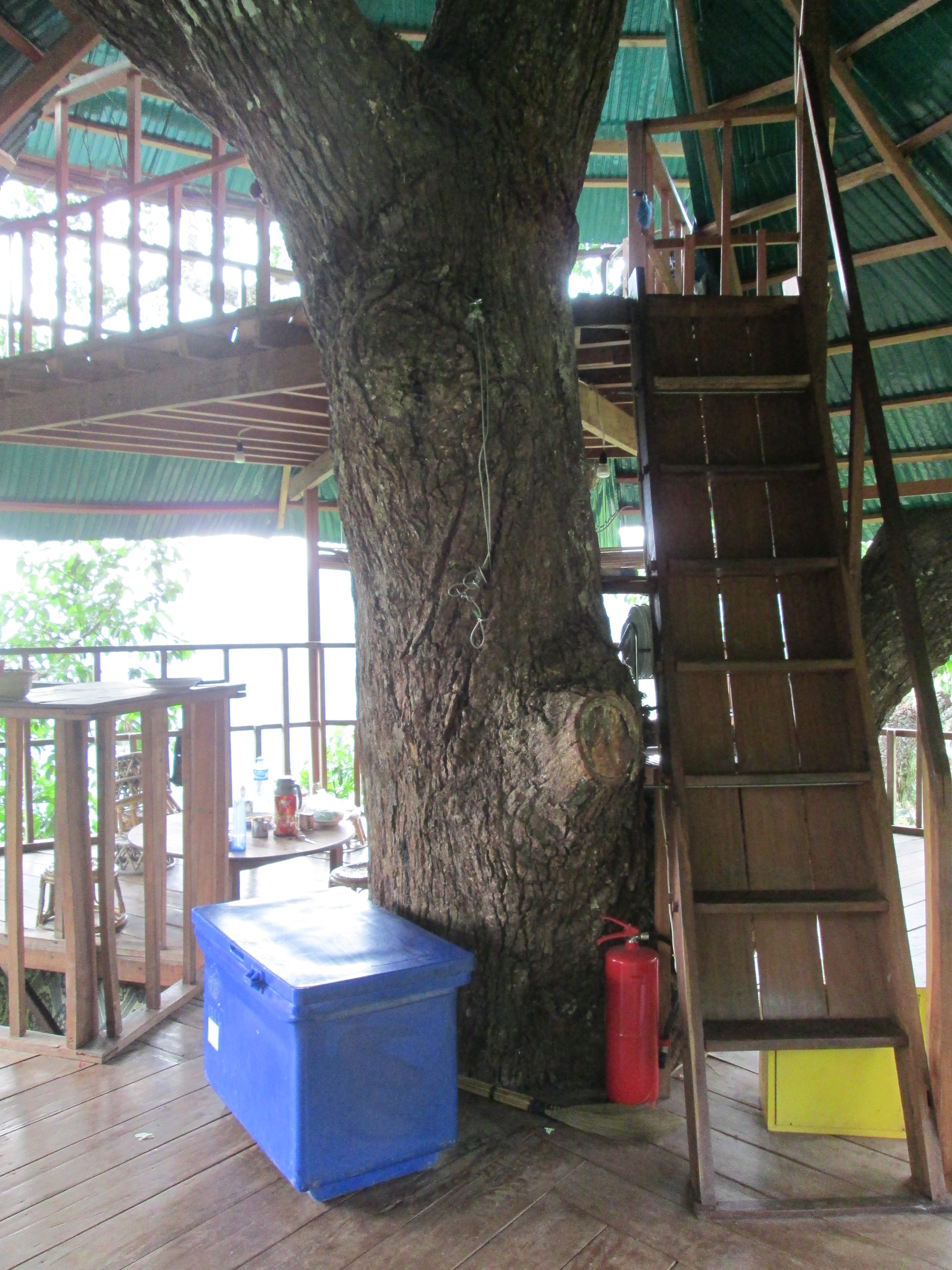


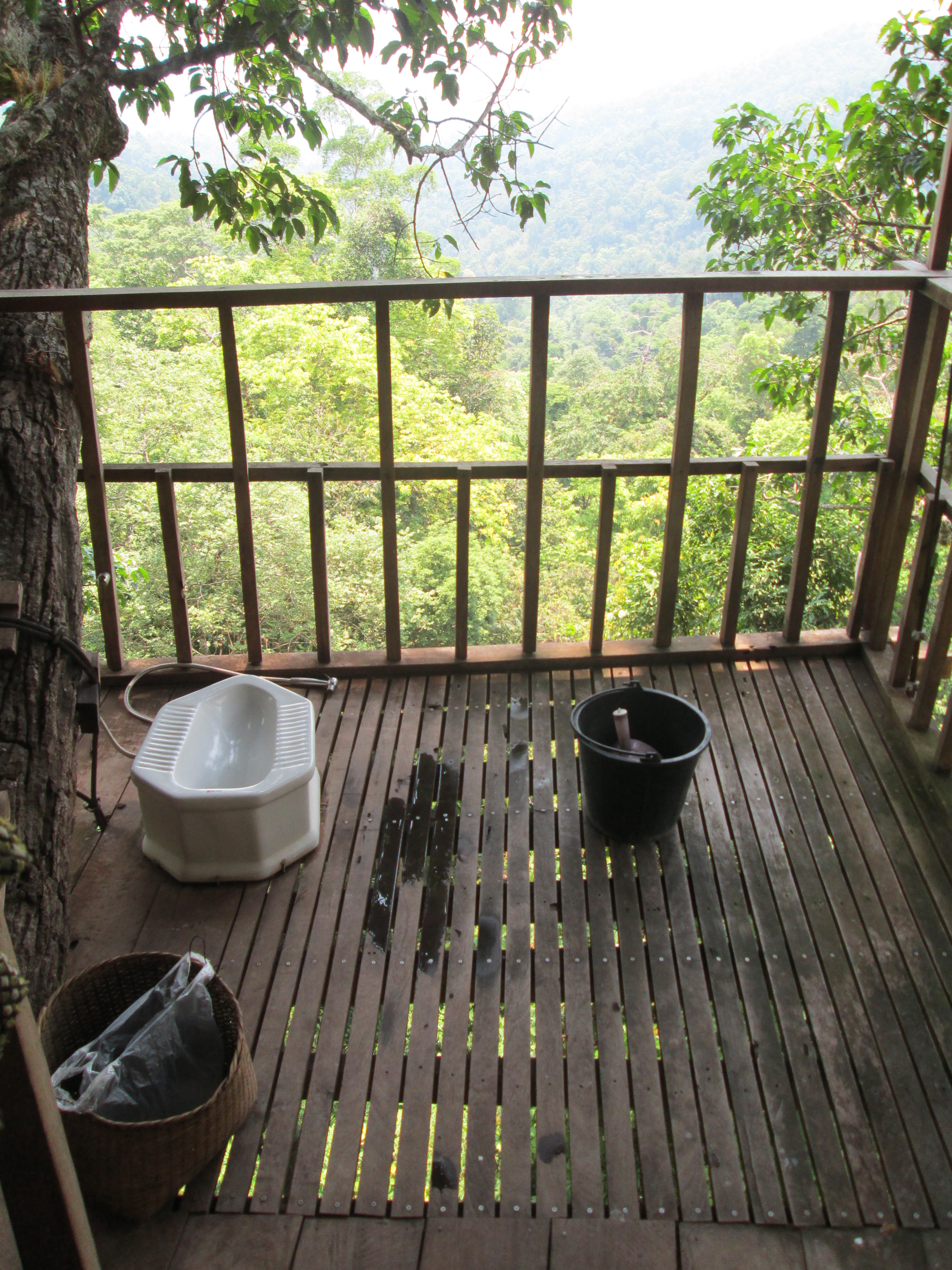
Talk about a bathroom with a view
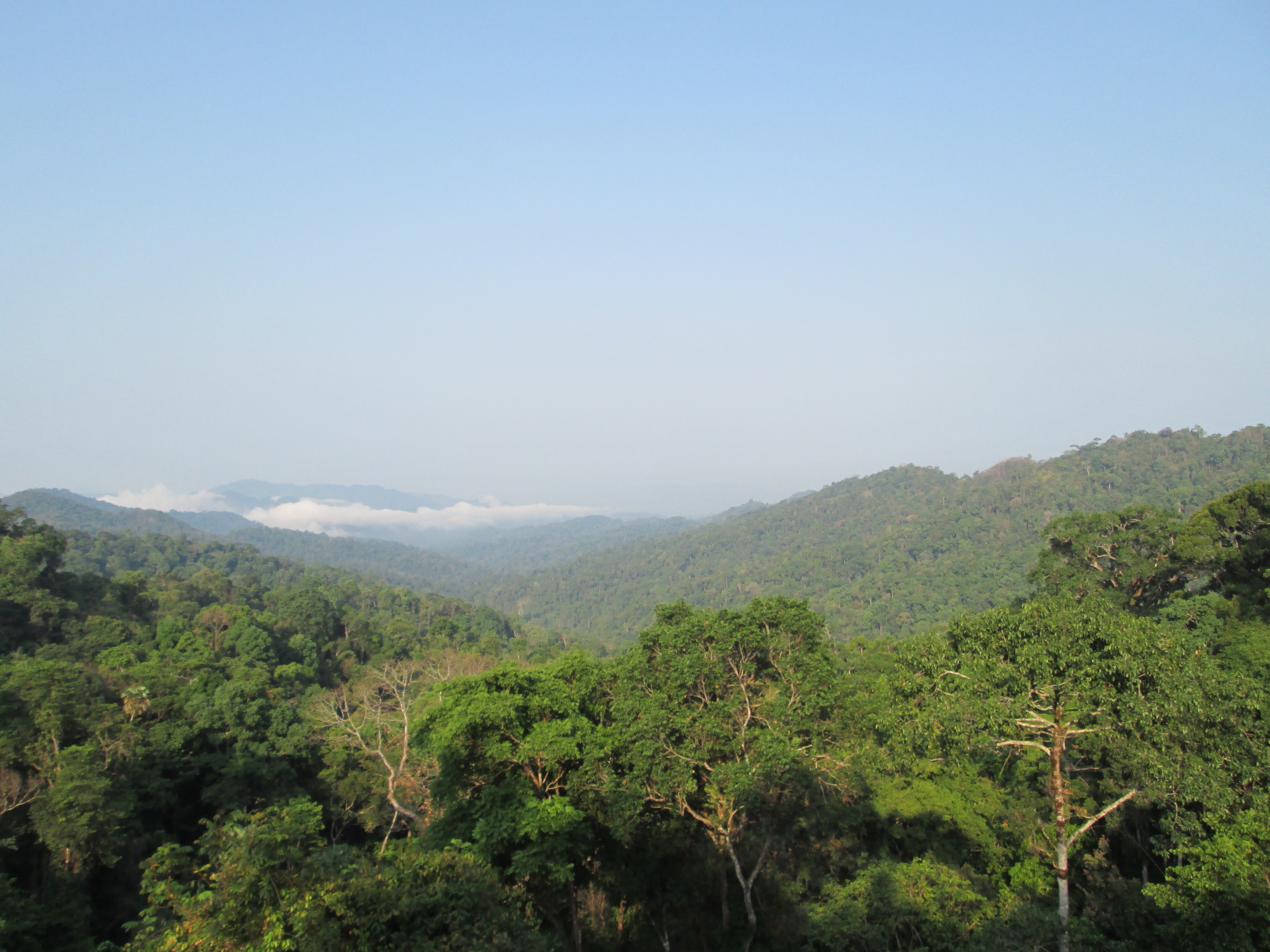
View in the morning

Breakfast
I debated for a long time whether to do the Gibbon Experience. $180 for a 2-day, 1-night trip is steep when traveling on a budget, and I usually prefer to avoid organized tours. But I have to say this was a seriously cool experience that I couldn’t have done any other way. Worth it.
[Laos. April 23-24, 2013]
 Tiny Runner Travels
Pingback: Laos Part II: A Crash Course in Motorbiking | Tiny Runner Travels