Unknown's avatar

Laos Part III: Some Anecdotes

For having spent only 13 days there, I have a lot of fond memories of Laos.

The LPB Night Life
After months on the road, Luang Prabang is a good place to put down the backpack and chill for a while. Stick around for more than a day and you will discover the top three hangout spots that almost every backpacker in town will inevitably frequent in this order:

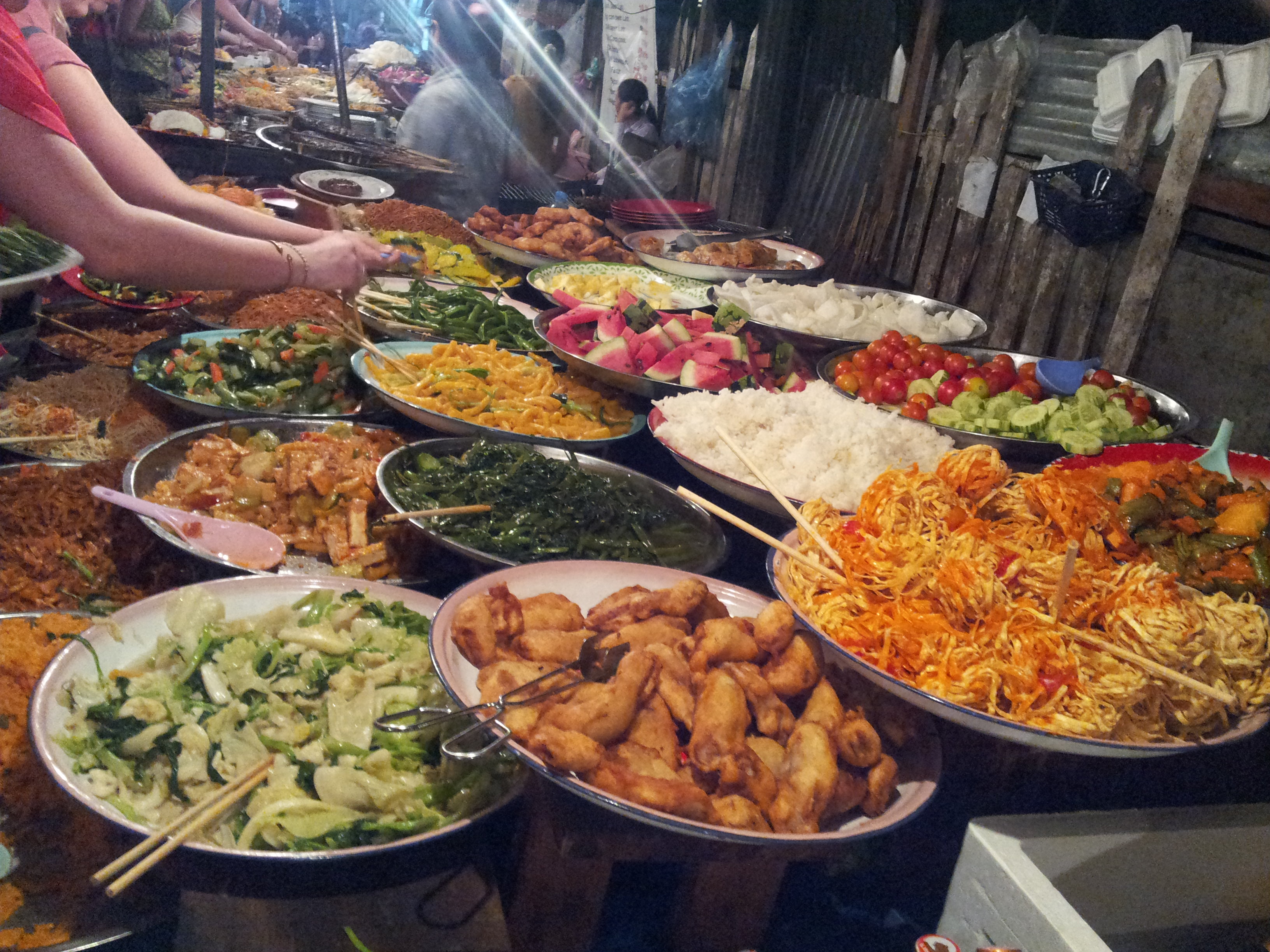
1. The night market buffet – For 10,000 Kip (~$1.25) you get all the vegetarian food you can possibly pile on a single plate. Meat eaters have to dish out a few more thousand Kip. This place is wonderful and disgusting at the same time. The first time you go, you can’t believe someplace this great actually exists. By the third night, you try to talk yourself into going somewhere else for dinner — after all, there’s no way those huge piles of food can be fresh night after night — but the pull of the buffet is just too strong.

LPB Buffet

Really, how can you resist?

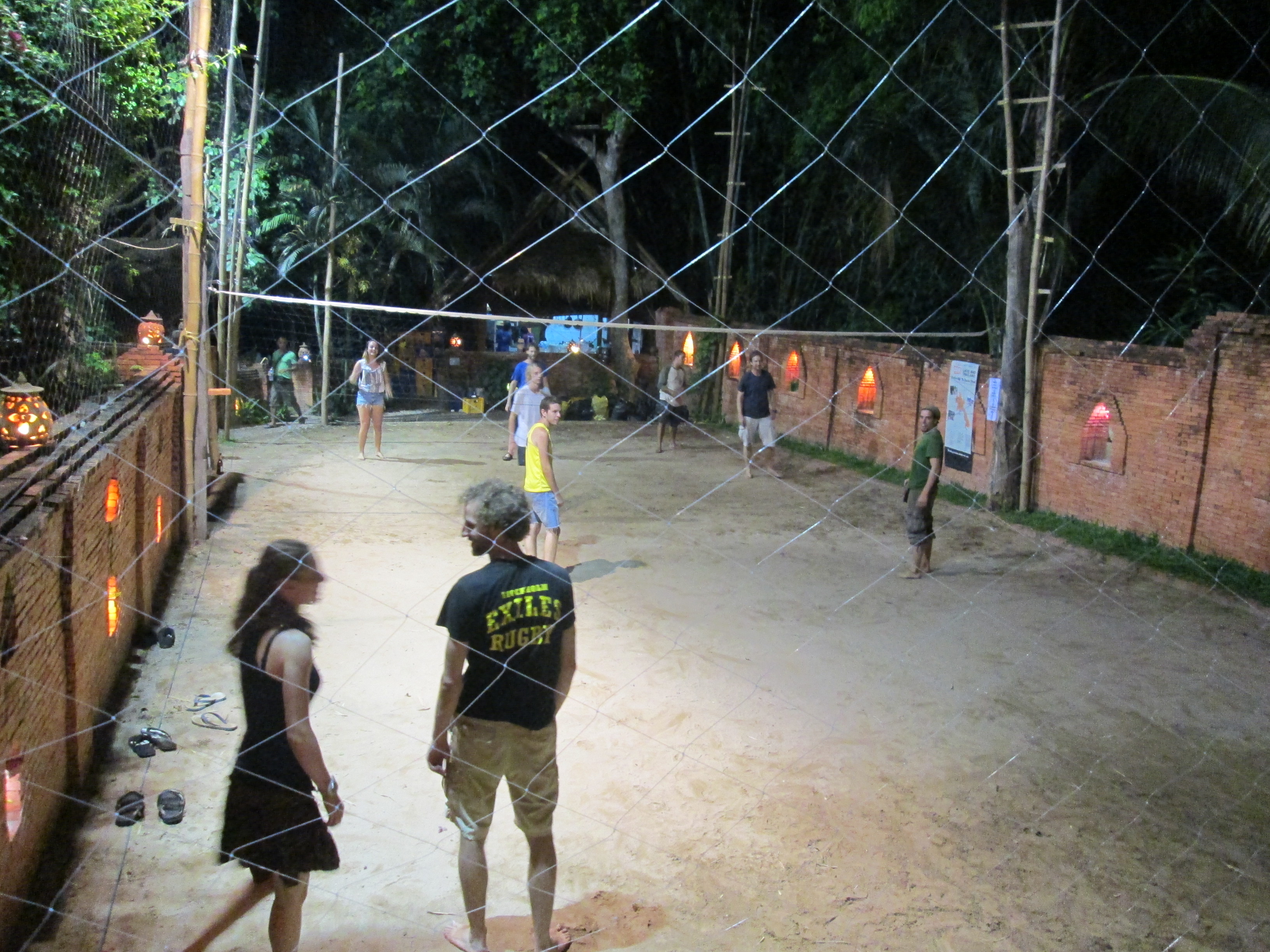
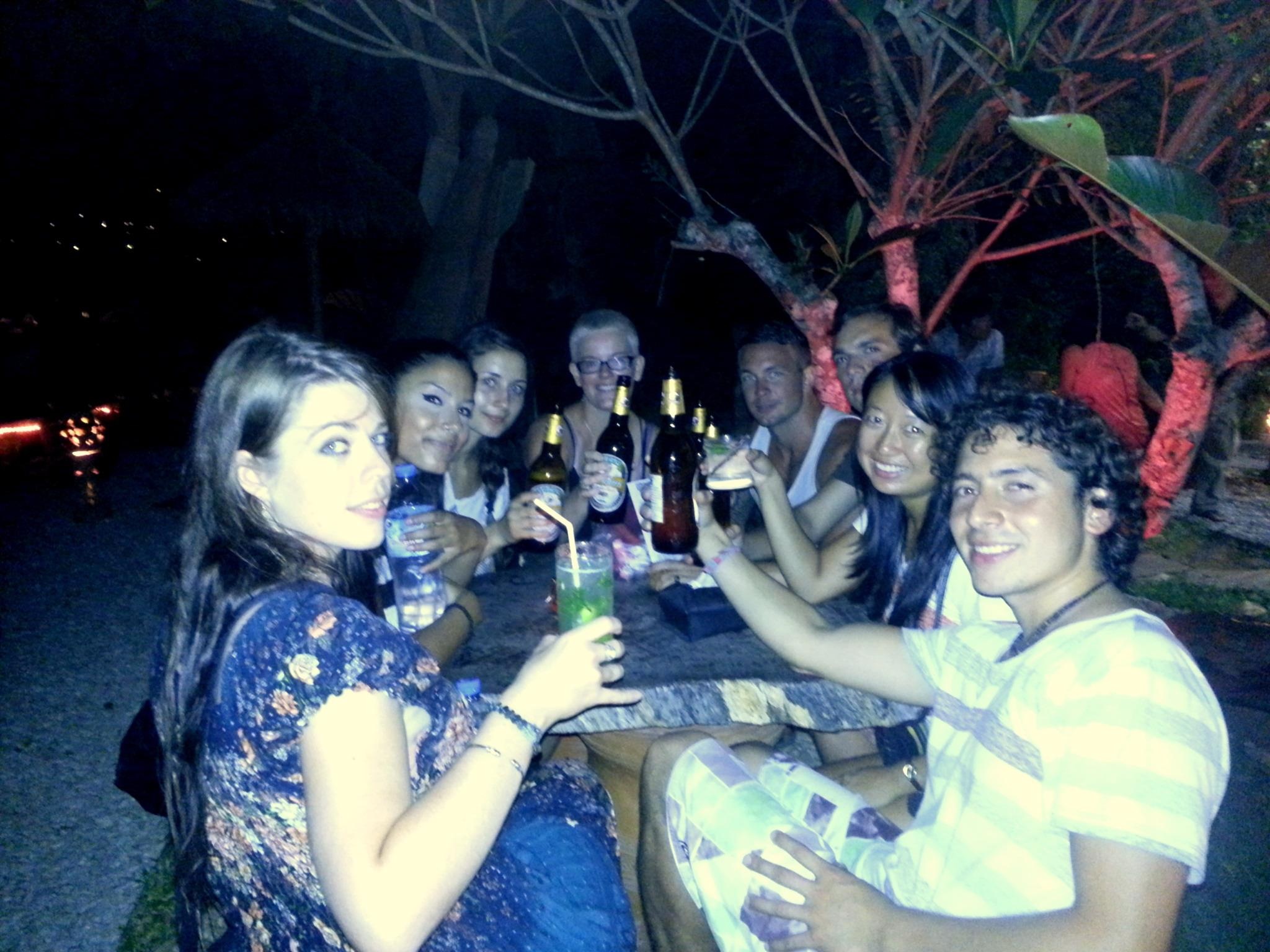
2. Utopia – A typical backpacker bar scene. Beerlao, volleyball, and a view of the river. Not to mention it’s a nice walk over after stuffing yourself silly at the buffet.

Utopia 1

Utopia 2

Utopia 3

3. Bowling – Ah, the night’s main event. All the bars in LPB are required to close at 11:30pm sharp; the bowling alley is one of the few places open and serving alcohol past this curfew. Walk out of Utopia around closing time and every tuk-tuk driver in town will be waiting to take truckloads of drunk backpackers to and from the bowling alley. This is the place to be if you want to go out for a good time past midnight. It is as ridiculous and hilarious as it sounds.
Continue reading

Unknown's avatar

Laos Part II: A Crash Course in Motorbiking

No SE Asia trip would be complete without some motorbike adventures. Mine takes place over the course of five action-packed days in Laos.

Day 1: Crash
I arrive in Luang Prabang fresh off a 13-hour night bus from Huay Xai and decide this is the perfect time to drive a motorbike for the first time. Some new friends from the hostel are renting motorbikes to go to the Kuang Si waterfall, about 30km away. When the kid brings out the bikes, I ask him to teach me, emphasizing that I’ve never driven one before. His tutorial lasts about 30 seconds. I’m sensing a trend in this country (see previous post on the amazing tutorial I got on zip lining in Laos).

With not much else to go on, I decide to hop on and give it a go. Women and kids all over Asia ride these things with bags of groceries, half their family, and a chicken coop piled on the back. This can’t be that hard. I inch down the narrow little street, wobble over a couple speed bumps, and then crash full-on into a parked car while trying to make a tight left turn. Crap. The bike falls on me but luckily not much damage is done except for a scraped knee and shattered ego. The locals at that corner got quite a show.

I decide perhaps this isn’t the best time to drive a motorbike for the first time after all.
Continue reading

Unknown's avatar

Laos Part I: The Gibbon Experience

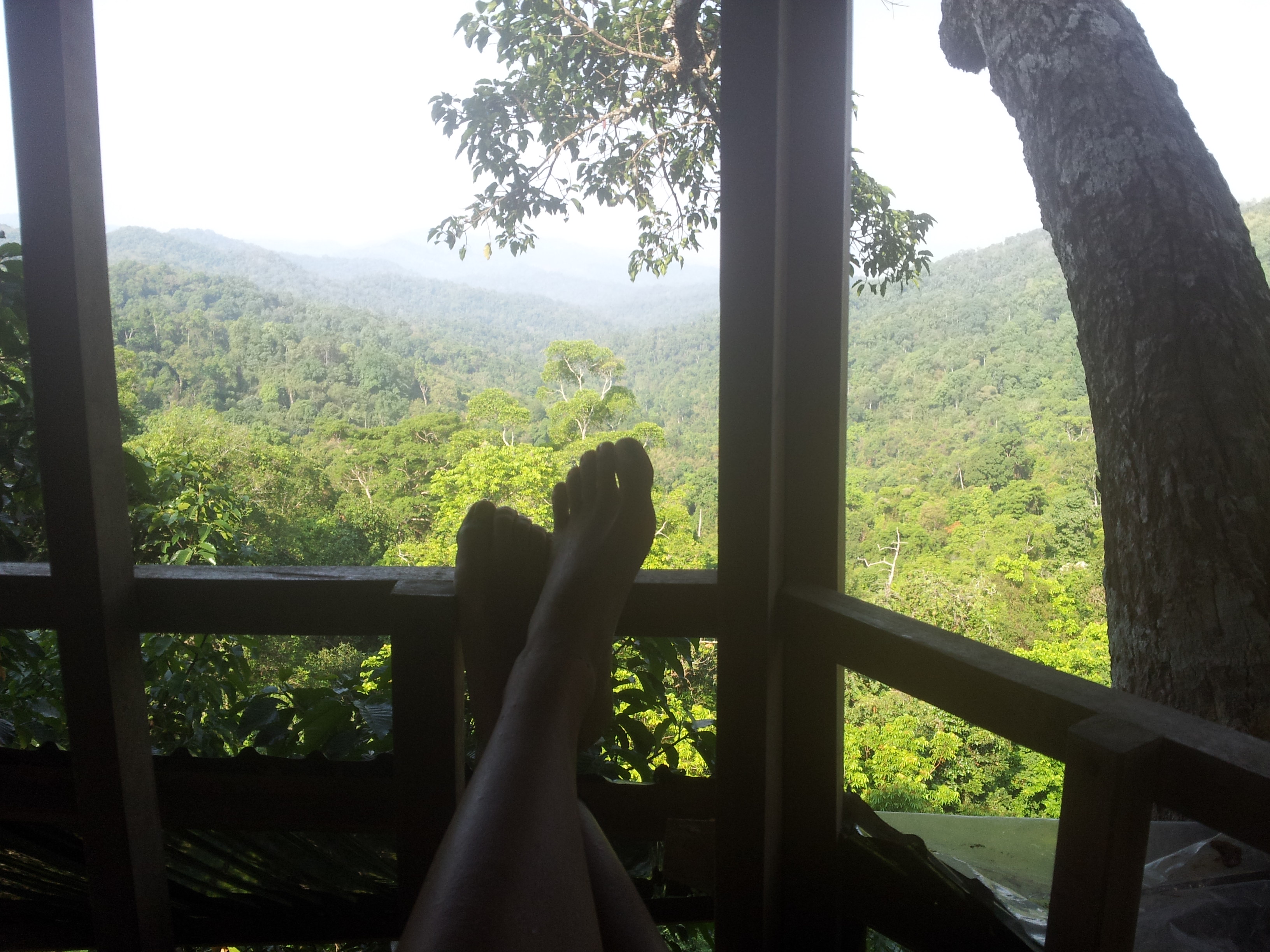
This might be the coolest place I’ve ever slept: a treehouse 40m off the ground in the middle of the Laos mountains!

Gibbon Treehouse 1

The Gibbon Experience is a conservation project established in 2010. It built an extensive network of zip lines and tree houses in the Bokeo Nature Reserve in northern Laos. Money earned through tourism here goes toward protecting the forest and its resident gibbons.

The first thing I learn about zip lining is that you must first climb up to be able to fly down. Funny how that works. After being driven from town into the forest and meeting up with our guide, we spend the first morning on a 2-hour uphill trek. Most people opted for the longer 3-day, 2-night package, so our group is an intimate party of two: me and a Kiwi from Auckland. Our actual group is much larger though — we’re accompanied by two local guides, a chef, a woman carrying food, and a few other staff that inconspicuously travel just ahead of us so that everything is miraculously arranged and ready upon our arrival. This must be how the queen lives.

Gibbon Group

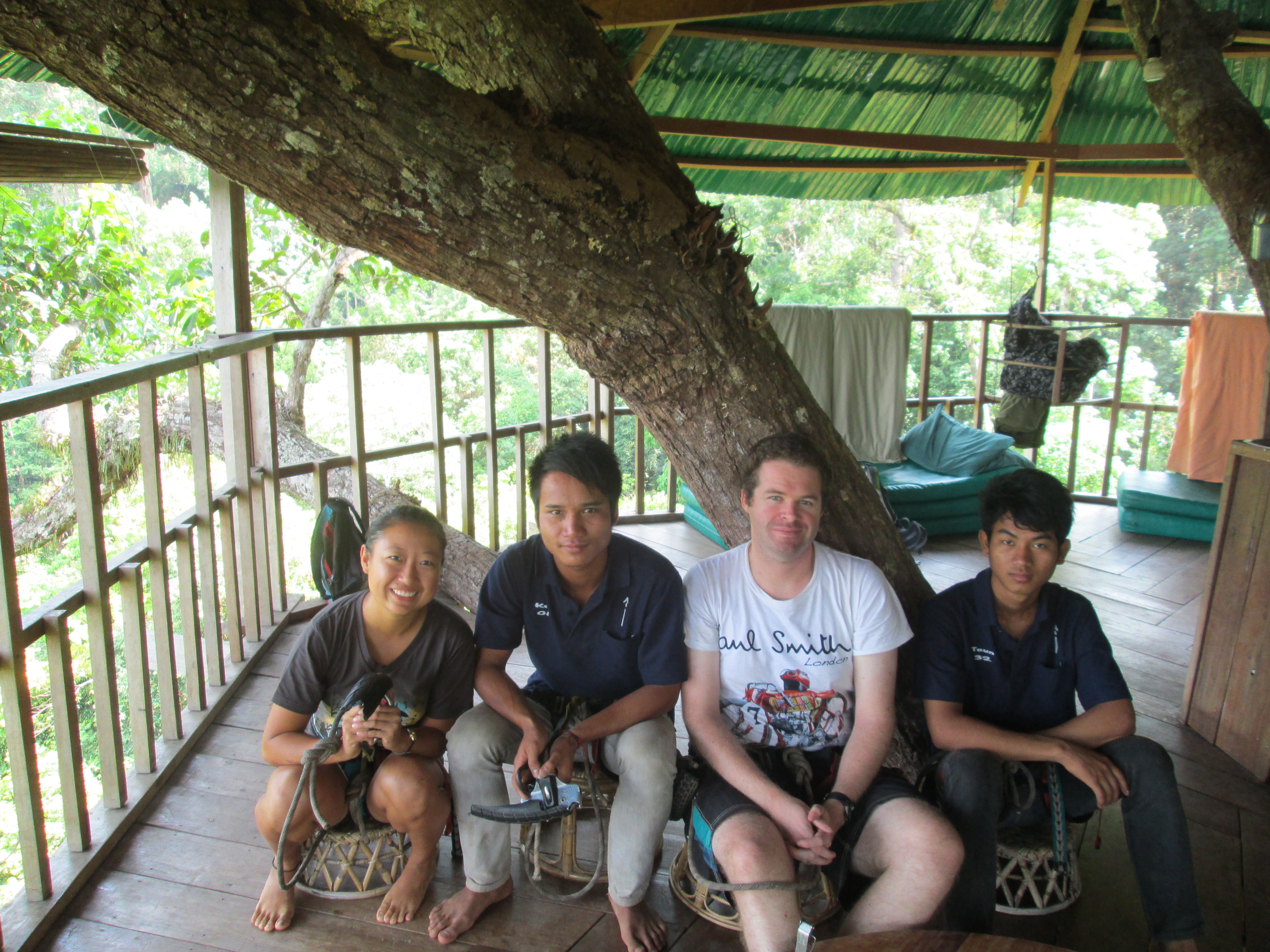
Two guides and two queens

The zip lines set up through the forest are impressive. The longest lines are 600-700m long and some parts must be at least 40-50m off the ground. Here are the “safety instructions” we receive to fly on the zip lines:
1. A 5-minute safety video shown at the Gibbon Experience office before heading into the forest.
2. A 30-second demonstration by our local guide upon arriving at the first zip line.

Got it? Great. The guide zips off down the line, leaving the Kiwi and I staring at each other, hoping to god that we correctly understood and remembered everything he just said. The remaining guide, who doesn’t speak English, watches as I hesitantly clip onto the line and then nods that I’m good to go. His confirmation is far from reassuring — I’ve learned long ago that the locals will always nod and answer yes, even if they don’t understand a word you just said.

Continue reading

Unknown's avatar

SE Asia Chronicles: Myanmar!

I didn’t get vaccinations before going to SE Asia and somewhere along the way I caught the “must-see-everything” bug. That’s how I ended up with a crazy whirlwind itinerary in Myanmar that included 3 marathon night-bus rides, a 40km trek, 8 different sleeping arrangements, 1 nasty stomach flu, and 1 night on the airport floor all in the span of 10 days.

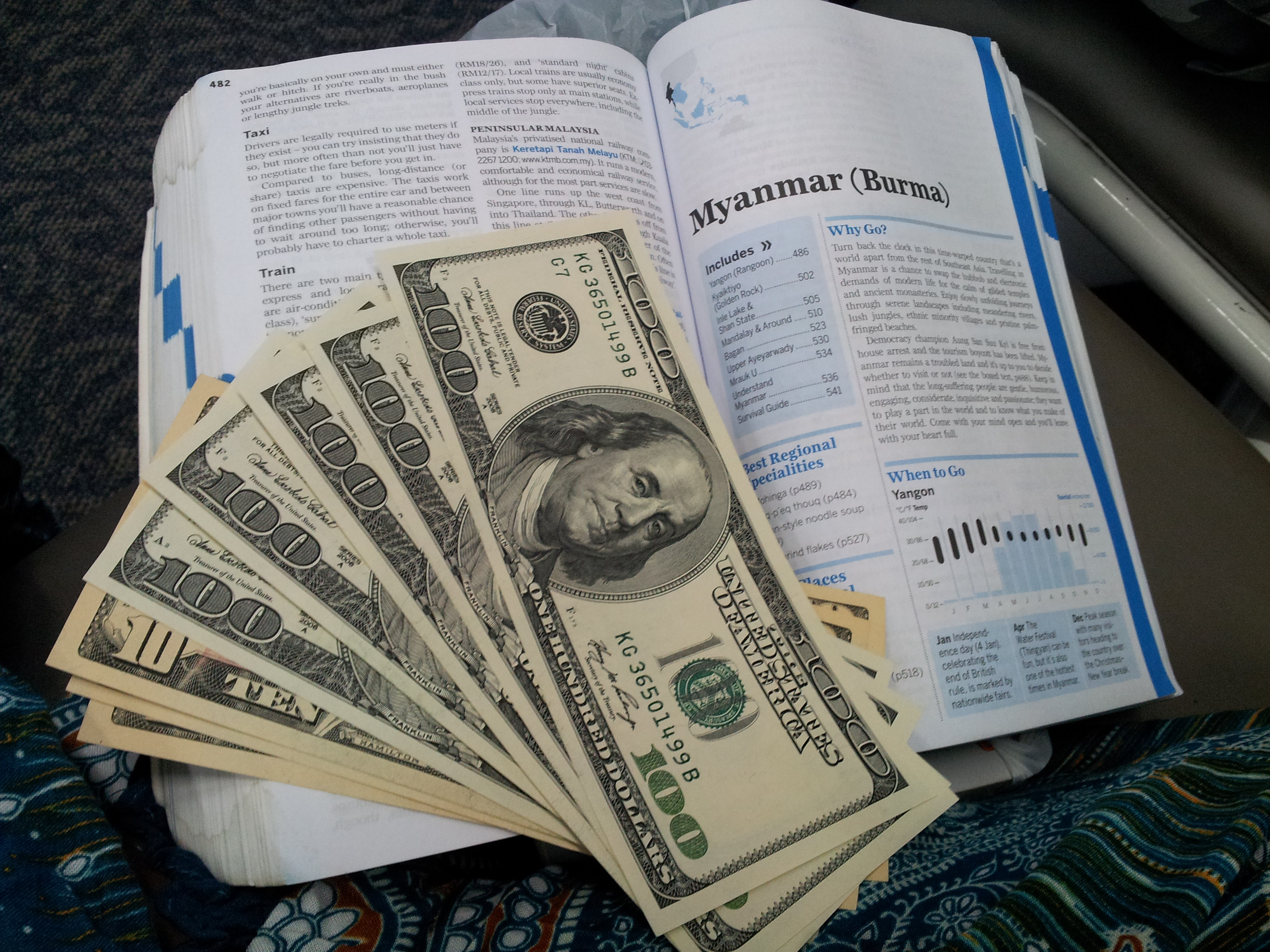
Preparing to go to Myanmar is arguably more difficult and complicated than actually being there. Aside from the visa issues in Bangkok, we also have to find crisp and clean US Dollars to bring because apparently in Myanmar, foreign bills become void if you crease, fold, rip, mark, or use them in any way except as bookmarks. Luckily, a bank in Siem Reap had the “new dollars” we needed. I used to suspect that people with a pocket full of $100 bills were drug dealers. Now I know they’re just people who recently came from Myanmar, the holder of all our clean money.
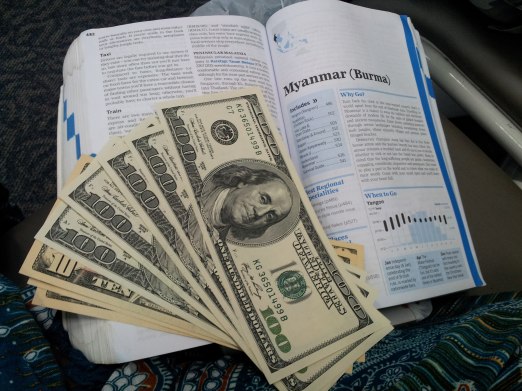
Twenty years in America and I've never had dollar bills this crisp and clean.
Twenty years in America and I’ve never had dollar bills this crisp and clean.

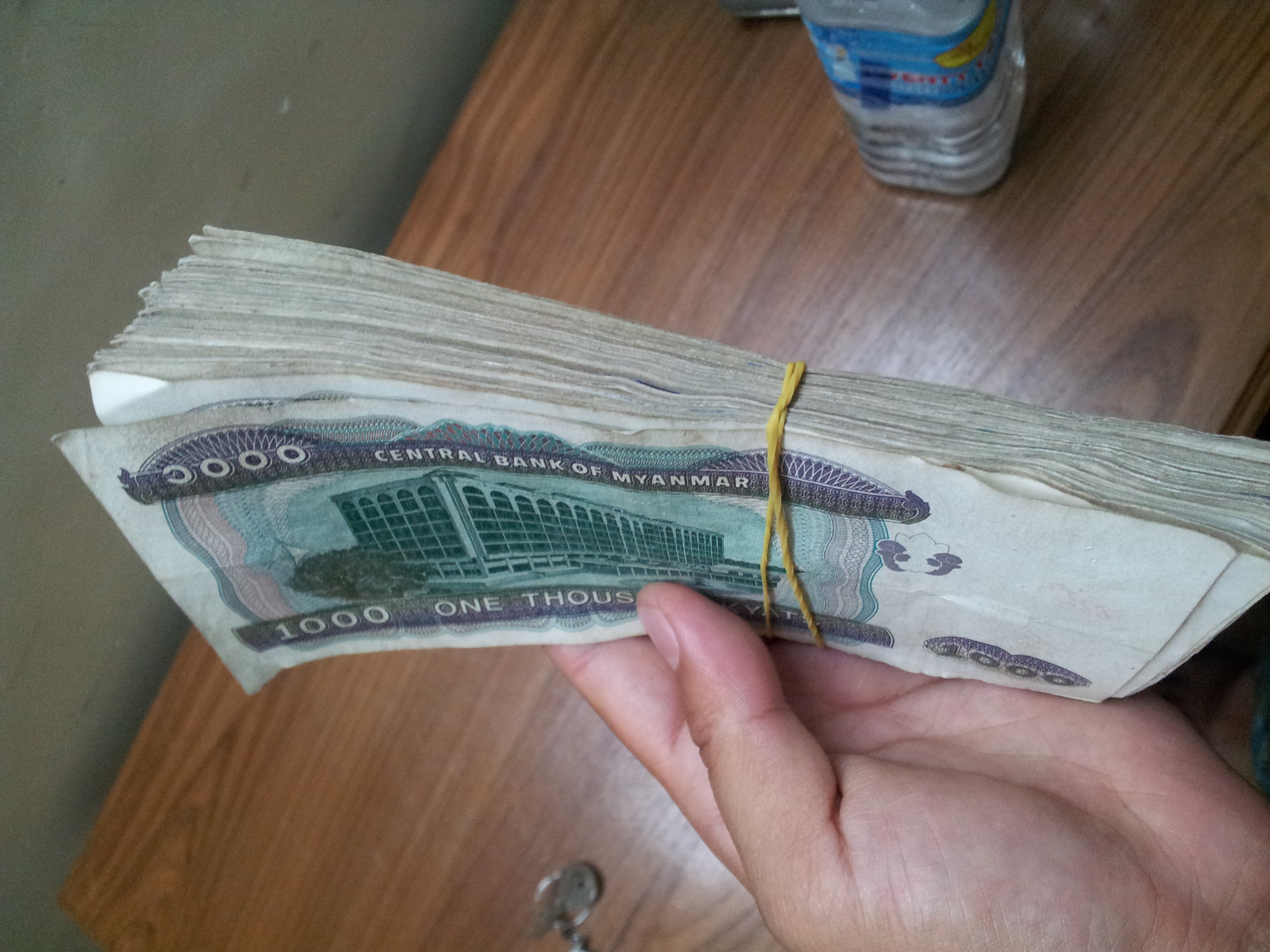
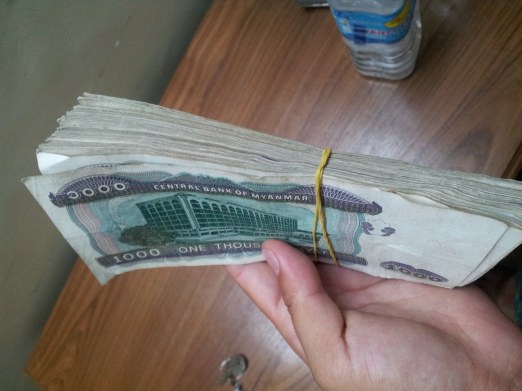
Converted into Kyat. I've also never carried around this many bills in my life.

Converted into Kyat. I’ve also never carried around this many bills in my life.

Burdensome visa and forex rules aside, even given the fact that most of the people don’t speak English, Myanmar is a relatively easy and painless place to travel. That is because the Burmese people are so, SO nice. Our first day in Yangon, we walk into a travel agency next to our hotel and ask them to plan our 10-day itinerary. Because we’re traveling during the Water Festival (akin to Christmas time in the US), many trains and buses are closed or booked. The travel agents spend six straight hours tirelessly arranging our entire trip, from every bus and hotel to when and where our tickets would be dropped off. We make impossibly annoying requests and they meet every single one with a smile.

A typical conversation:
Us: We want to take a bus to Mandalay on the 15th.
Agent: No buses because of Water Festival.
Us: So there’s no way to get there?
Agent: You can take airplane.
Us: No, that’s too expensive. There has to be a bus. How are the local people getting around?
Agent: Ok, I try, but I don’t know because it’s the Water Festival…
Agent spends 30 minutes on the phone talking in Burmese
Agent: Ok, you can take this bus, arrive in Mandalay on the 15th.
Us: Really? I thought you said there were no buses because of the Water Festival?
Agent: Yes, I just talked to my friend. There’s bus.

You can always get by with a little help from friends. That evening we hop on a night bus to Kalaw.

Here’s the thing about night buses
They are a necessary evil for budget travelers. On the surface, they appear to be the cheapest way to get from point to point while saving time and money on a night’s accommodation. Win-win, right? Not quite. The reality is that they are painfully long and loud. The bus driver blares karaoke music through the speakers at all hours of the night and makes random pitstops without telling you where you are or how long you’ll be stopped there. You never get any sleep because it’s so loud and uncomfortable, and you always arrive at the final destination around 5 am with a swarm of tuk-tuk drivers ready to pounce on you in your most vulnerable and sleep-deprived state. In Malaysia, bus drivers blast the AC so high you’re forced to put on every piece of clothing you packed. In Laos, they don’t make real bathroom stops so women need to either refrain from drinking anything for the entire ride or squat and pee on the side of the road with the men. And the Myanmar night-bus specialty is this:
Continue reading

Unknown's avatar

SE Asia Chronicles: How To Do Siem Reap in 24 Hours

Even the most off-road backpacker ends up at a tourist destination sometimes. For 24 hours in Siem Reap, we were full-on tourists: sensible shoes, cameras in hand, and herded from one site to the next. I didn’t mind this too much, because it was the Angkor temples and there’s a reason people crowd to see them. They are truly magnificent.

Five of us rent a tuk-tuk for a day. $15 for the driver to take us around the main circuit of temples, from sunrise to sunset. It was a good deal. Angkor has hundreds of temples that can take days and days to explore. For non-temple-aficionados, you can purchase a single-day pass and just focus on the big three: Angkor Wat, Bayon, and Ta Prohm. And so there we are, squeezed into a tuk-tuk at 5 am to beat the sunrise, about to embark on an exhaustingly long day of temple-hopping.

$20 One-Day Pass. I do not look happy about having my photo taken at 5am.

I do not look happy about having my photo taken at 5 am for this.

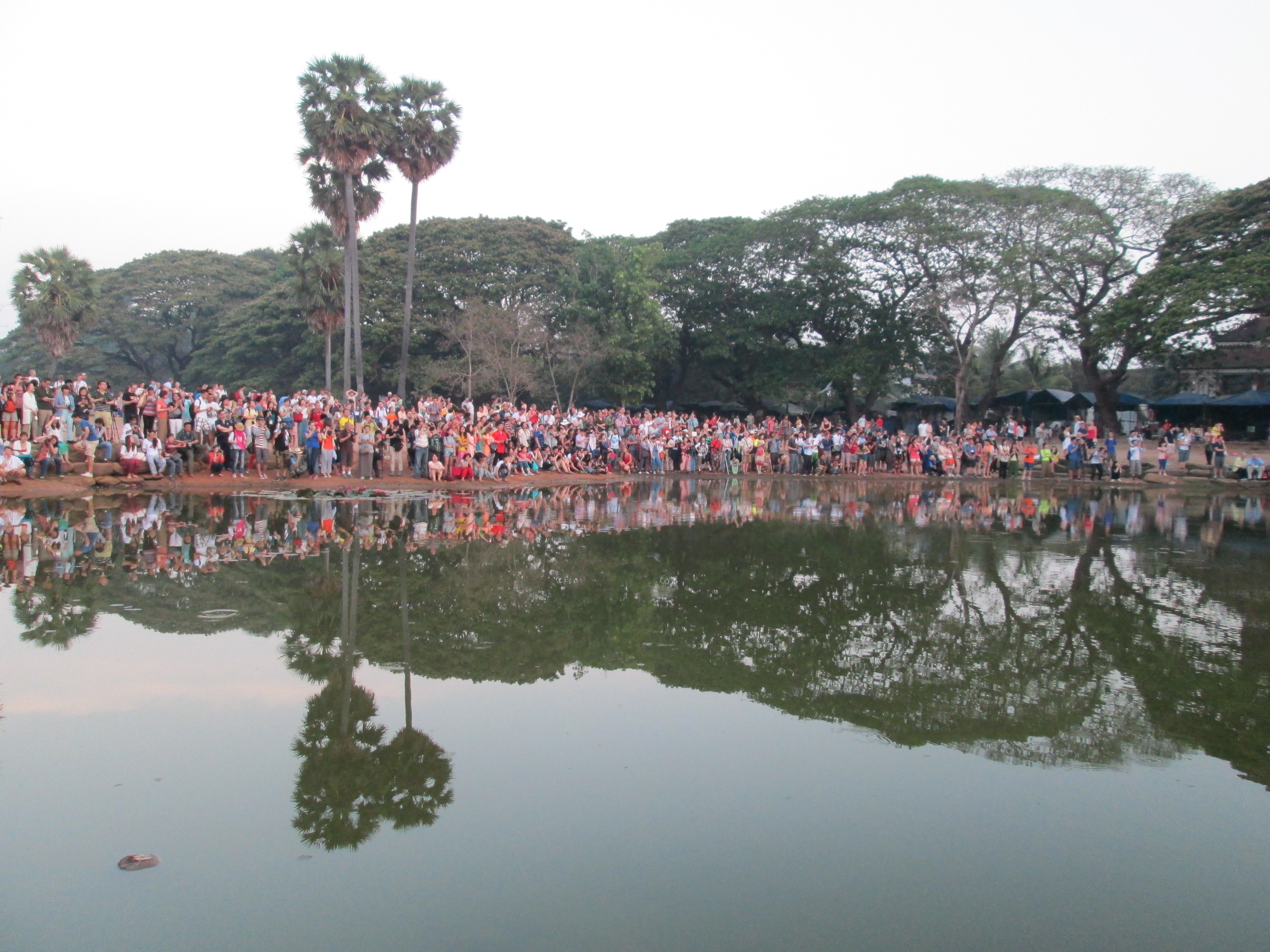
Angkor Wat is the most iconic of the Angkor temples, and all tuk-tuk drivers will take you there first to see the sunrise. Wiser travelers will tell you to save Angkor Wat for later because as nice as the sunrise may be, it’s not worth dealing with this:

The crowd waiting for the sunrise over Angkor Wat. This photo probably only captures half the people actually there.

Continue reading

Unknown's avatar

SE Asia Chronicles: Tired in Bangkok

The initial honeymoon phase of my SE Asia trip lasts 18 days, calm and pleasant from Singapore to Malaysia to Koh Lanta, Thailand. Then we hit Bangkok. Or rather, Bangkok hits us. Hard. In the face. It instantly becomes one of only two places in all my travels that I badly want to escape from and never look back.

Can’t Live With it; Can’t Live Without It
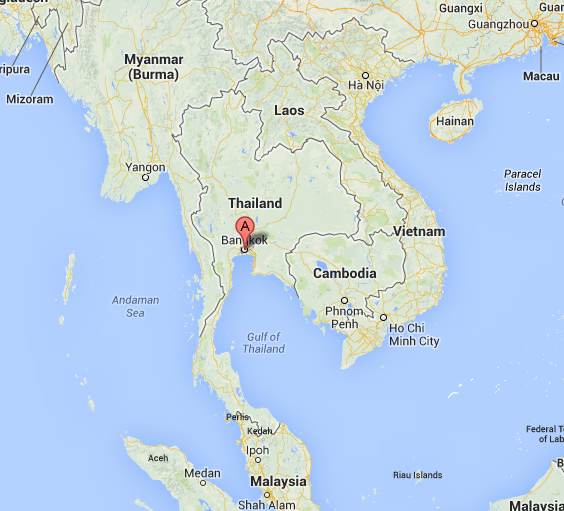
Bangkok is pretty much unavoidable as it’s the main transportation hub in SE Asia. It’s centrally located and cheap for traveling to almost anywhere else in the region. Despite our disdain for the city, J and I end up traveling through Bangkok three different times in all four directions: South from Malaysia, East to Cambodia, West to Myanmar, and finally North to Laos via Chiang Mai.

Bangkok

The first time around we arrive with the sole intent of obtaining a visa for Myanmar. Khao San Road in Bangkok is notorious for being full of backpackers, bars, and bogus scams. Unless you’re into that scene, most advise to get the hell out of there. J and I know this, yet we decide to stay in a hostel there anyway because it’s 5 am and we’re exhausted from just stepping off the night bus. (Hindsight: No reason is ever good enough to put up with the clusterfuck that is Khao San Road.) Immediately after check-in — sans-sleep and sans-shower — we take the express boat to the Myanmar Embassy only to find a notice on the door saying that they are closed for the next two days for some Burmese holiday. (Hindsight: We probably should’ve checked the embassy website first.) A complete wrench in our plans! J and I spend the next few hours wandering aimlessly trying to figure out our next move. We really want to go to Myanmar, but neither of us want to spend the next week in Bangkok waiting to get a visa.

The express boats in Bangkok are actually pretty cool. Easy to hop on, hop off -- and one of the few transports where you don't have to worry about being scammed.

The express boats in Bangkok are actually pretty cool. Easy to hop on, hop off — and one of the few transports where you don’t have to worry about being scammed.

Beware of the Kindness of Strangers
Sometimes the universe gives you exactly what you need; other times it sends you suspiciously helpful strangers on the streets of Bangkok. We encounter several of them in our short time wandering: local Thais that stop to give us completely unsolicited advice on where, when, and how we should spend the day. They are nice and we are tired. One of them manages to bamboozle us straight onto a tuk-tuk.
Continue reading

Unknown's avatar

SE Asia Chronicles: Trading Shoes for Fins

“Have you ever been scuba diving?”
“No.”
“Do you want to try?”
“Sure.”
“My Lonely Planet book says this island in Malaysia is one of the cheapest places to take a certification course.”
“OK, let’s go.”

If only all life-changing decisions were made this easily and arbitrarily.

We thought the night bus would bring us directly to Kuala Besut where we could catch the morning jetty to the island. But of course that would be much too easy. Instead the bus drops J and I off on the side of the road at 4 am. It’s pitch black and we have no idea where we are. Luckily, a man with a “taxi” (see: unidentified vehicle) is waiting to take us the rest of the way. How did he know we were coming? It’s better not to ask these questions in Southeast Asia. After a brief half-hearted negotiation on the fare — I did mention it was 4 am, right? — we hop in. He does take us to the correct destination and four hours and a jetty ride later, we arrive: Pulau Perhentian.

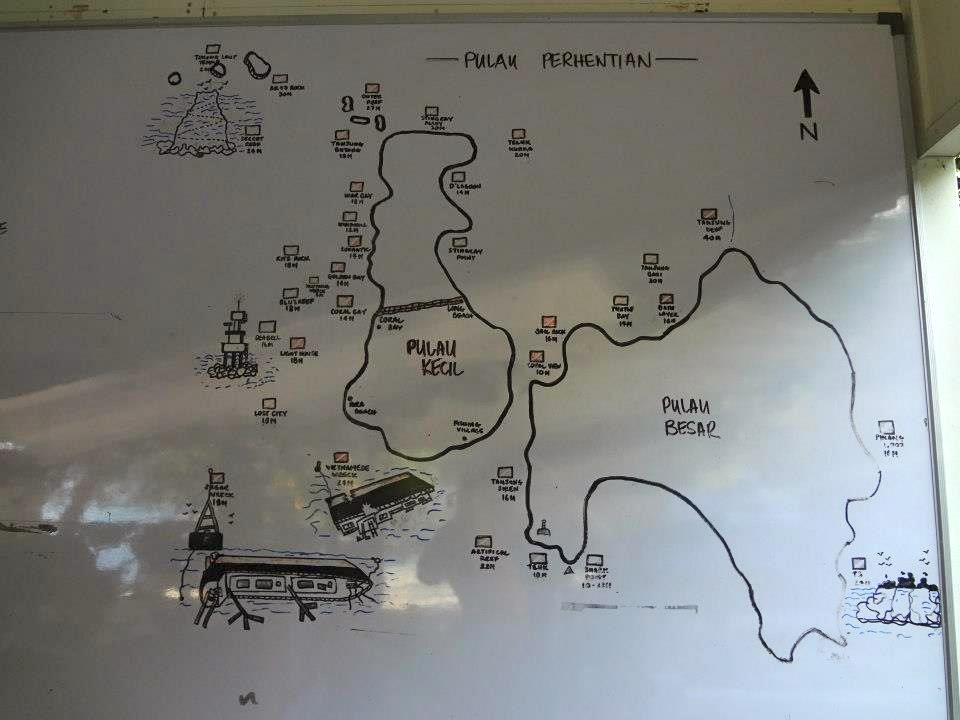
Perhentian Map

Map of Pulau Perhentian and dive sites (Photo credit: Julia Thompson)

Continue reading